

How To Clean Ceramic Vase
What are these stains or Discoloration on pottery?
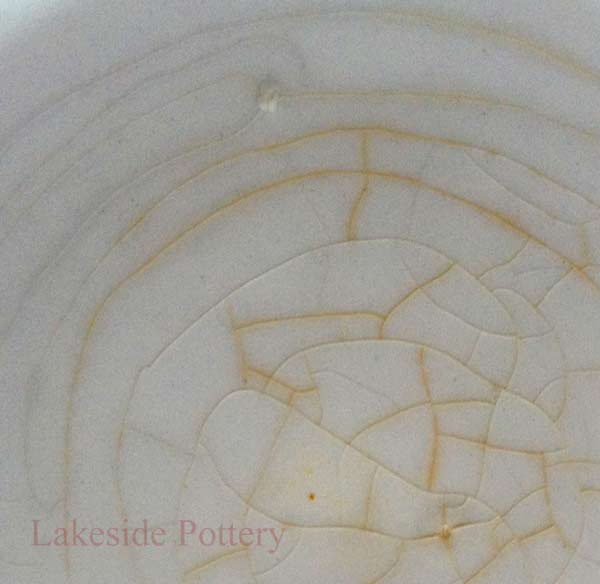
Stains along glaze crazed lines
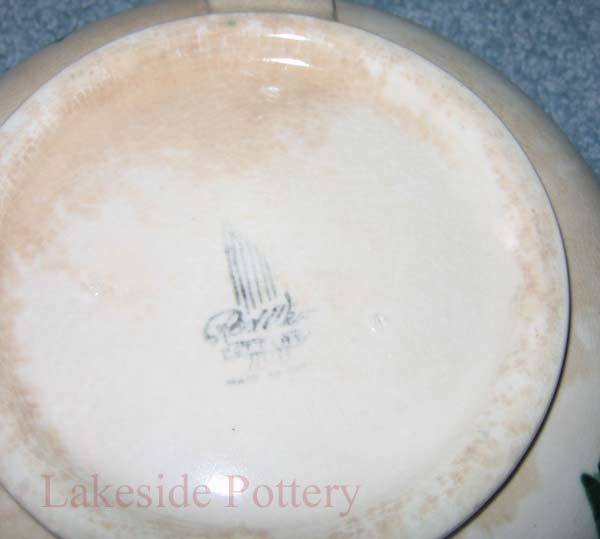
Stain spots
Stains occur due to seepage of moisture through very small (and sometimes invisible to the naked eye) cracks in the glaze often referred to as crazing, crackle or pin holes in the glaze. The penetrated moisture combined with organic matter (Tea & coffee, oil, fat, food, dust, etc.) evolves into a bacteria that typically is brown or black in color present between the glazed craze lines or in the clay body under the glaze. Therefore, scrubbing the surface will not help. Bacteria stains are more likely to occur on earthenware or stoneware type pottery due to the ceramic higher porosity level allowing the moisture to penetrate deeper and stay wet creating perfect enjoyment for bacteria to flourish. High fire ceramic such as porcelain, which has almost no porosity, will less likely stain.
What is crazing / crackles and why do they happen?
They are a network of lines or cracks in the fired glazed surface. They usually occur at the end of the kiln firing process when the outside surface cools before the clay body under the glaze cools. Crazing can also happen during the vessel's life time due rapid temperature changes (day/night, hot water / cold water, etc.).
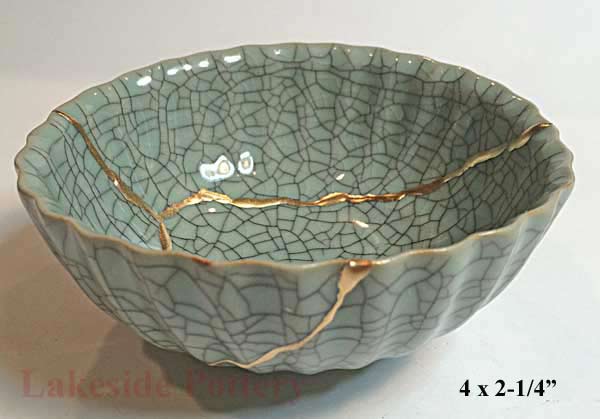
Often, for aesthetics reasons, the crazing crackle effect is introduced on purpose as a desired effect where the cleaning instructions do not apply - see examples below. The effect on the bottom left bowl was accomplished by melting and fusing glass on the pot (see Combining Glass with Pottery).
More about crazing
| Crazed glaze implemented intentionally: |
| |
| |
| |
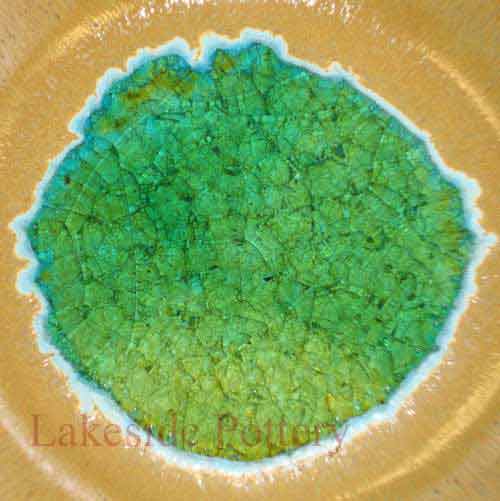
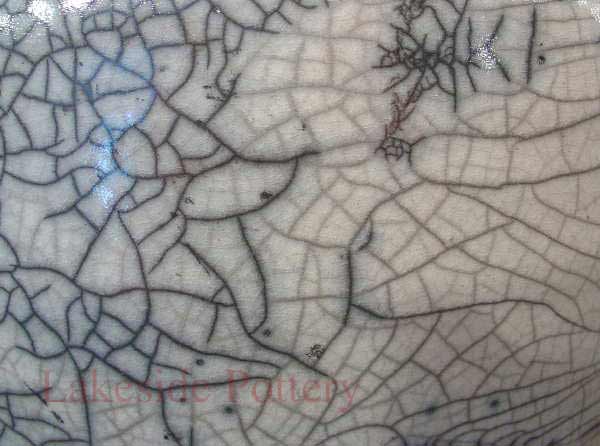
What NOT to do?
1) Do not use bleach or chlorine. Bleach or chlorine may remove the stains but also can damage your ceramic item as illustrated below.
2) Do not heat in oven. If the stain is old oil based substance (e.g., grease), it can melt and spread under the glaze creating a larger stain.
3) Do not go through the described process below if the item requires cleaning has a repair. The repair will be damaged.
What to do? Easy way for mildly stained pieces:
Buy regular oxygen bleach typically used for laundry (e.g., OXY), mix the powder in hot water and wait for it to cool off or use the liquid version of oxygen bleach. Soak your stained item in the solution for several hours or until you see the stains disappear. **
What to do? More involved and more effective process:
From a pharmacy or a beauty supply store, purchase 8% Hydrogen peroxide bleach that is typically used to bleach hair. Soak your stained item in the solution for several hours. Then, while wet place it in an oven and set to 180 to 200 degrees Fahrenheit (82 to 93 Celsius). Let the oven rise to 180-200 degrees F * while your item is in the oven. WARNING: Do not enter your item to a preheated oven. The rapid temperature change could crack the item or chip off some of the crazed glaze. After 30-60 minutes, take it out, wait for it to be cooled to room temperature and wash it with room temperature water. You will see slightly colored water seeping out from the crazing washing off. **
* Warning - Heating to above boiling temperature may results in organic matter burn stains
** While this removes the color it does not remove the foreign matter (dirt etc.) causing the stain, thus, stain can reappear if introduced to moisture.
WARNING!! Using a stronger solution of peroxide is extremely dangerous. It can burn the skin off your hands and cause permanent damage to mucous membranes, and unless you know chemistry very well you could have an explosion. Leave the work with stronger hydrogen peroxide to the professionals.
What if the stain is not eliminated?
For stubborn stains, you will need to repeat the above process every 24 hours using fresh materials each time. The above mentioned products are effective only about a day once in a liquid form exposed to light.
Why we do not take on such projects?
1) The results are not guaranteed and not 100% predictable.
2) Possible glaze flaking could occur
3) The above process may not remove the material that caused the bacteria / mold in the first place, and it's possible that same contaminant will reappear.
4) Bleaching may not remove inorganic stains such as rust or other clay minerals (Calcium, Lime, etc.) contaminant marks. In this case the stain must be removed requiring elaborate repair and restoration effort.
Is crazed or crackled glaze on pottery food safe?
NO! The glaze surface has cracks that can possibly hold substances (food, dust, dirt) in it and produce bacteria. Therefore it is not food safe!
How To Clean Ceramic Vase
Source: https://www.lakesidepottery.com/Pages/Pottery-tips/removing-dark-crazing-lines-and-stains-from-porcelain-and-pottery.htm
Posted by: massingillglelavold.blogspot.com
0 Response to "How To Clean Ceramic Vase"
Post a Comment