

How To Make Windows Cat Safe
I went to check to run across what house plants and garden plants were poisonous for my cat and got a bit of a daze. Turns out, by the looks of information technology, that nearly plants seem to be poisonous to my true cat!
- Birds Nest Fern(Asplenium Nidus)
- Calathea Rattlesnake (Calathea Lancifolia)
- Spider Plant (Chlorophytum Comosum)
- Parlor Palm (Chamaedorea Elegans)
- Staghorn Fern/Stags Horn Fern/Elk Fern (Platycerium Bifurcatum)
- Haworthia Zebra (Haworthia attenuata)
- Xerographica Air Plant (Tillandsia xerographica)
- Money Tree (Pachira Aquatica)
- Peperomia Dark-green (Peperomia Obtusifolia)
- Echeveria Lola
- Boston Fern (Nephrolepis exaltata)
- Maidenhair Fern (Adiantum)
- Bamboo Palm/Areca Palm (Dypsis Lutescens)
- Prayer Plant (Maranta Leuconeura)
- Swedish Ivy (Plectranthus Australis)
- Bandage Iron Found/ Bar Room Plant (Aspidistra Elatior)
- African Violet (Saintpaulia)
- Aluminum Plant/Watermelon Pilea (Pilea Cadierei)
- Friendship Plant (Pilea involucrata)
- Lace Bloom Vine (Alsobia dianthiflora)
- Lipstick Establish (Aeschynanthus Radicans)
- Phalaenopsis Orchid/Moth Orchid
- Polka Dot Establish (Hypoestes Phyllostachya)
- Christmas Cactus (Schlumbergera)
- Wax Institute (Hoya Carnosa)
- Ponytail Palm (Beaucarnea)
- Basil (Ocimum Basilicum)
- Sage (Salvia Officinalis)
- Thyme (Thymus Vulgaris)
According to this site, there are literally hundreds of common, everyday, flowers and plants that are poisonous. Now, obviously, some need to be totally eaten in huge quantities to have a negative effect – simply for some, but inhaling the pollen as your cat walks by could be life-catastrophe!
Well afterward reading through the seemingly never-ending list it occurred to me that it might be better to get a list of houseplants rubber for cats.
Information technology might be easier to have a shortlist of cat safe house plants to work off and as well to know what these harmless beauties look similar for easy identification.
Related Post: houseplants toxic to cats
Check out some of these fantastic cat safe plants that you tin safely leave effectually your pets :
Birds Nest Fern(Asplenium Nidus)

Many people enquire "are ferns toxic to cats", well this one isn't!
A great depression-light houseplant. Originates from Due south East asia, Australasia, Polynesia & Hawaii.
In the wild, this fern has a trend to abound on copse, cliffs, and other objects but you will probably buy it as a potted firm plant. Comes from a tropical environment so likes humidity and moist soils just tin can put upward with the odd dry out spell.
In the wild, fronds would grow xx to 59 inches long and up to viii inches wild simply domestically y'all are unlikely to accomplish such good growth. Doesn't blossom but offers abundant greenery. An ideal bathroom plant.
Light Conditions: Medium to low indirect lite
Watering: Likes boiling environments and moist composts.
Calathea Rattlesnake (Calathea Lancifolia)
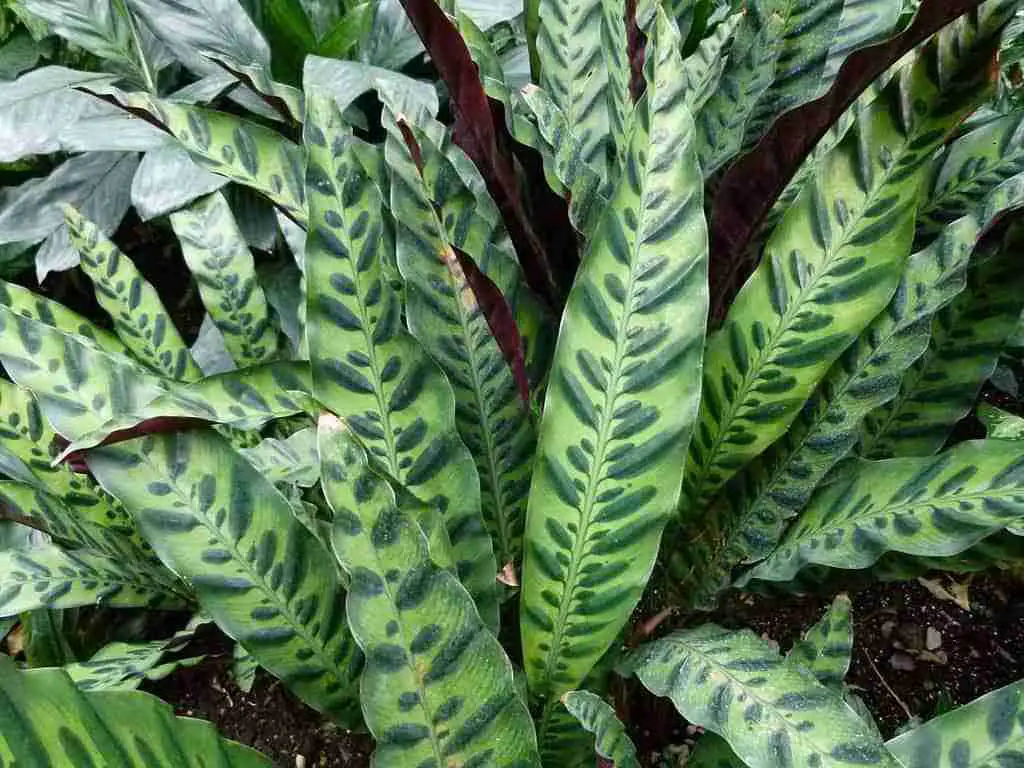
A native of Brazil, the rattlesnake is non venomous to cats or humans! Likes Indirect bright sunshine and to be kept moist in spring and summer but not watered to soggy.
Likes some humidity and grows big leaves upwardly to 30 inches tall. Blooms yellow/orange flowers in late season. If the leaves wilt yous haven't watered lightly regularly enough.
Lite Conditions: Bright but indirect sunlight.
Watering: Keep moist in jump and summertime without making compost soggy. No watering in winter.
Spider Found (Chlorophytum Comosum)
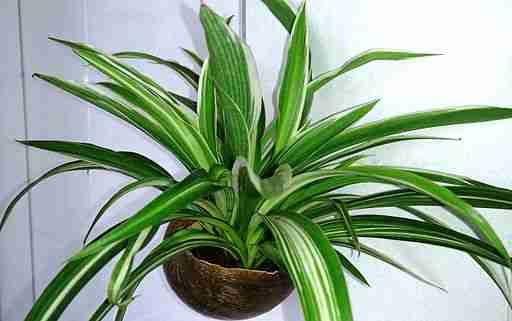
Very piece of cake to abound as information technology loves a wide range of weather condition. Bright indirect light and sporadic watering are all information technology takes for even the most useless gardener to go along this hardy plant live and flourishing.
A spider will give flowers in the right weather and will send out tendril offshoots every bit it looks to become mobile and spread. Piece of cake to separate and abound new plants from tendrils overall growth is inhibited by pot size.
Calorie-free Conditions: Vivid but indirect lite.
Watering: Regular or sporadic – simply don't overwater.
Parlor Palm (Chamaedorea Elegans)
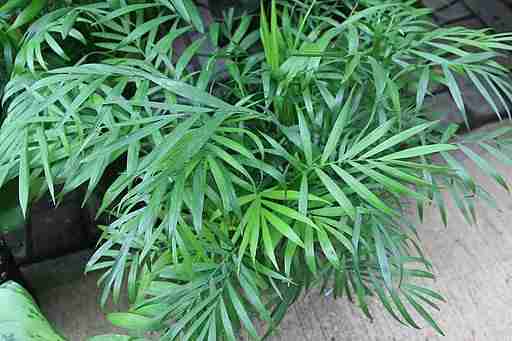
Photo by David J. Stang / CC BY-SA
A pop houseplant that can grow two to six feet tall indoors in pots. Originating from Mexico and Republic of guatemala, this little palm is popular because it grows well in low lite atmospheric condition and at lower temperatures.
Usually potted in clumps, this palm produces narrow, long, dark-green leaves like to those used on Palm Dominicus. Information technology doesn't produce any flowers but this low lite houseplant is safe for cats.
Calorie-free Conditions: Low to bright indirect light.
Watering: Prefers dry to being over moist, waterlogged or sitting in water.
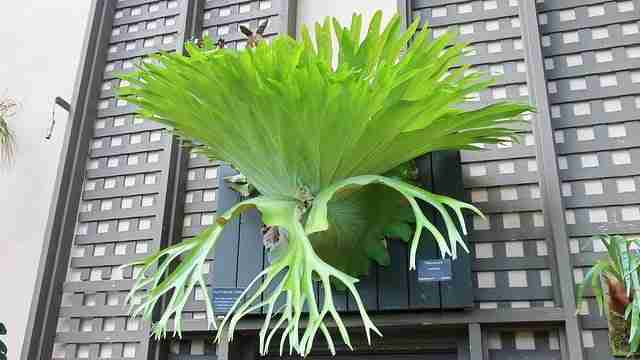
Easy to identify by its stag antler/moose antler-shaped leaves. Native to Australia, these ferns tend to abound on trees rather than on the ground – although if you are shopping for i it is likely to come up in a pot.
In the wild, these abound to a mighty size, but in a pot or exterior its normal environment growth is going to be small and manageable.
Very distinctive-looking plants brand this a houseplant that is growing in popularity allied to the fact they are reasonably easy to look later on. Are ferns rubber for cats? The staghorn fern certainly is!
Light Weather condition: Bright indirect light – doesn't survive under just bogus light.
Watering: Won't tolerate overwatering – likes misting and soaking – more light more water. Mostly, h2o once per calendar week.
Haworthia Zebra (Haworthia attenuata)
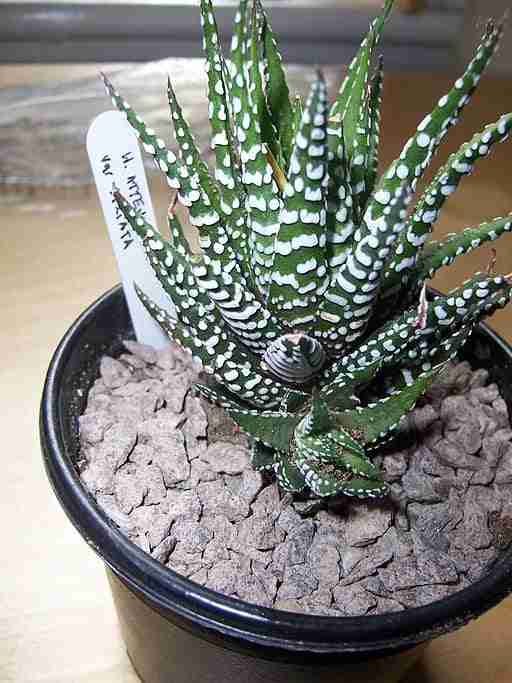
A member of the succulent grouping of plants, this little institute, reminiscent of cacti, originates from South Africa and is rubber for cats and dogs.
It has small and has striped leaves, occasionally flowers but rarely when kept indoors. Likes temperatures from 8 to 26 c and enjoys bright indirect sunlight.
Related to the aloe plant without the latex that is poisonous to cats.
Light Conditions: Bright indirect light.
Watering: H2o when well-drained soil dries out in summer, don't overwater in winter.
Xerographica Air Institute (Tillandsia xerographica)
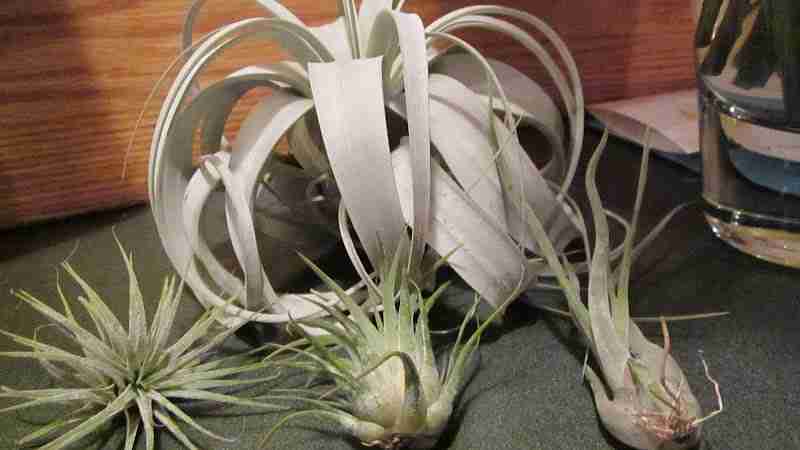
This remarkable little establish requires no bedding – whatsoever! In terms of looks, its fronds/leaves wrap around itself like soft mossy leaves – very unusual but interesting to look at and these are prophylactic plants for cats!
It likes brilliant light and in the correct temperatures can reside inside and out. Watering – how to water an air plant? Misting and soaking. Soak for fifteen minutes once every other week or literally submerge it once a month for a few minutes!
Light Weather: Brilliant direct or indirect light – thrives in both.
Watering: Misting and occasional soaking
Money Tree (Pachira Aquatica)

Believed to bring financial expert fortune to its owner, the money tree plant is some other pop house constitute that is cat-friendly.
Originating from the swamps of key and southward America they are easily identifiable past their interlocking trunks (that lock in proficient luck – so the theory goes).
Non to be confused with the delicious coin plant, they like water one time a week and bright simply indirect lite.
Whilst a money tree institute volition look peachy in your dwelling house, it won't be your true cat's ideal tree. To go on your cat busy and abroad from your plants check out these cat copse…
Low-cal Conditions : Vivid indirect light.
Watering: One time a week in summer, don't exit to stand in water.
Peperomia Green (Peperomia Obtusifolia)
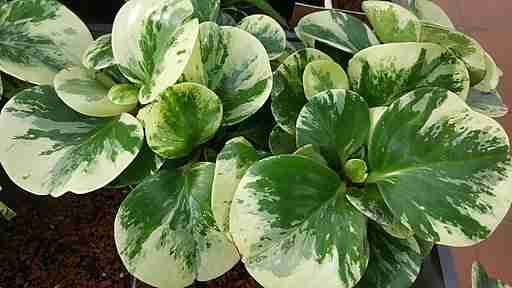
Otherwise known as the baby prophylactic plant, this constitute originates in United mexican states and the northern jungles of South America.
Identifiable past its cupped, fleshy, leathery leaves this popular houseplant grows up to 25 cm tall when potted and flowers sporadically. Some other one of those indoor plants safe for cats!
Light Conditions: Vivid indirect lite, sporadic direct light.
Watering: Allow soil to dry out then water thoroughly – don't permit to sit in waterlogged soil.
Echeveria Lola
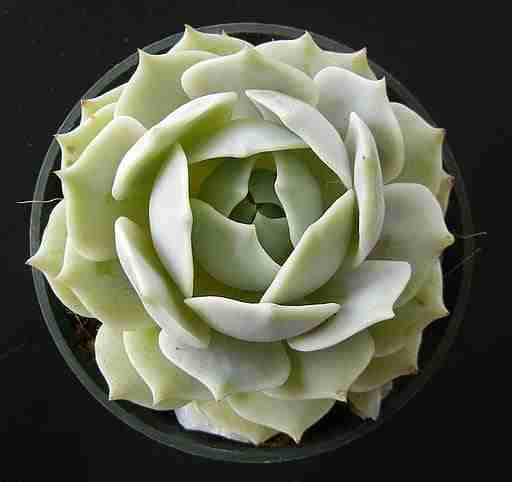
A small succulent found safe for cats that grow to 6 inches tall. Has a distinctive light purple advent shaped every bit a single rosette.
Uncomplicated to grow, don't let it to sit down in h2o, remove expressionless leaves at the base and provide enough of sunlight and it should grow reasonably well.
Low-cal Conditions: Brilliant directly & indirect lite
Watering: Don't permit to stand up in water. Water regularly.
Boston Fern (Nephrolepis exaltata)
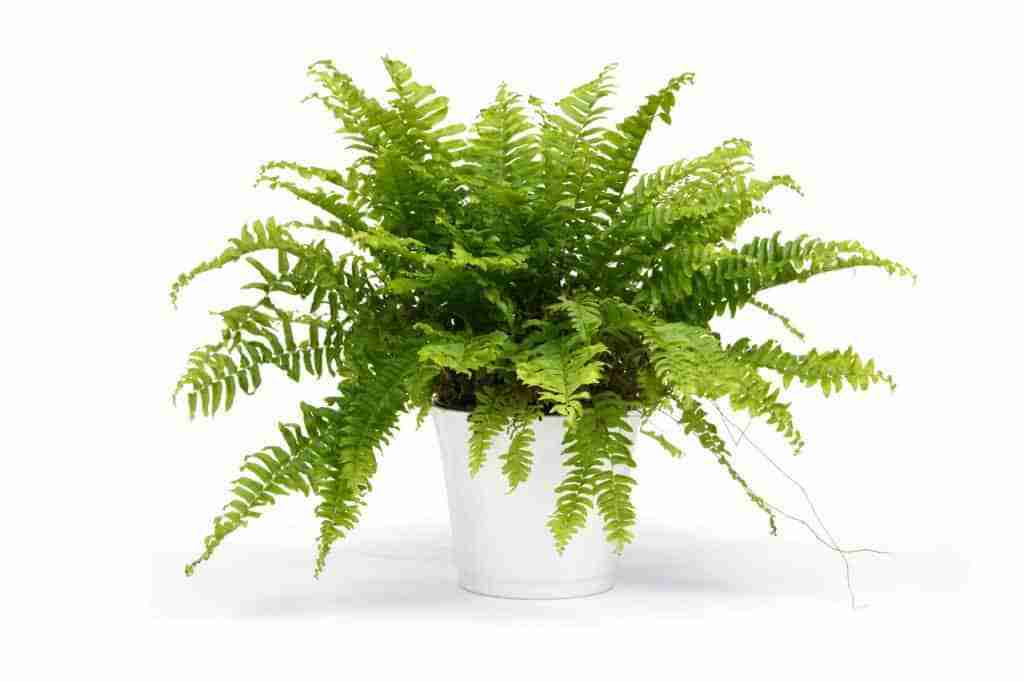
If you have seen a fern indoors it was probably a Boston fern. These take been popular since Victorian times due to their interesting drooping fronds and easy maintenance.
Generally reaching 30 cm tall, they tin can grow much bigger if repotted. Native to about tropical regions worldwide, these are true cat and dog-friendly firm plant that reputedly cleans the air very efficiently.
They like bright indirect lite and humid weather so work great in bathrooms. Need lots of watering during the summer period as they don't capeesh drying out.
Calorie-free Conditions: Bright indirect light.
Watering: Keep moist merely not waterlogged, enjoy humid weather condition.
Maidenhair Fern (Adiantum)
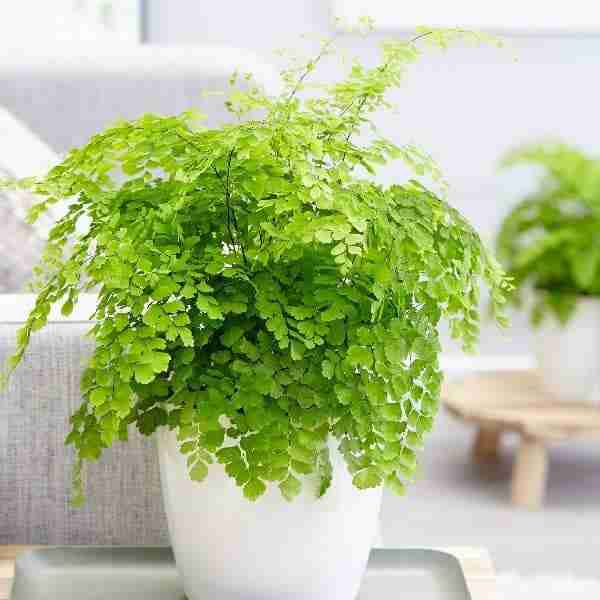
The maidenhair fern grows to about lx cms alpine and in diameter but tin be kept pocket-size by limiting pot size.
This fern has more than rounded leaves on the fronds than the Boston fern. Commonly grows in the wild on stone faces or rocky river banks.
This is not an easy plant to go along indoors. Information technology doesn't like brilliant low-cal but needs humid wet air. Making it a difficult found to please indoors.
Is the maidenhair fern toxic to cats? These finicky plants are safe for your cat only you will terminate up having to mist them daily, monitor water/humidity conditions, and cosset the damn affair to proceed it alive.
Light Conditions: Shaded, out of bright low-cal.
Watering: Mist twice daily, keep the soil damp.
Bamboo Palm/Areca Palm (Dypsis Lutescens)
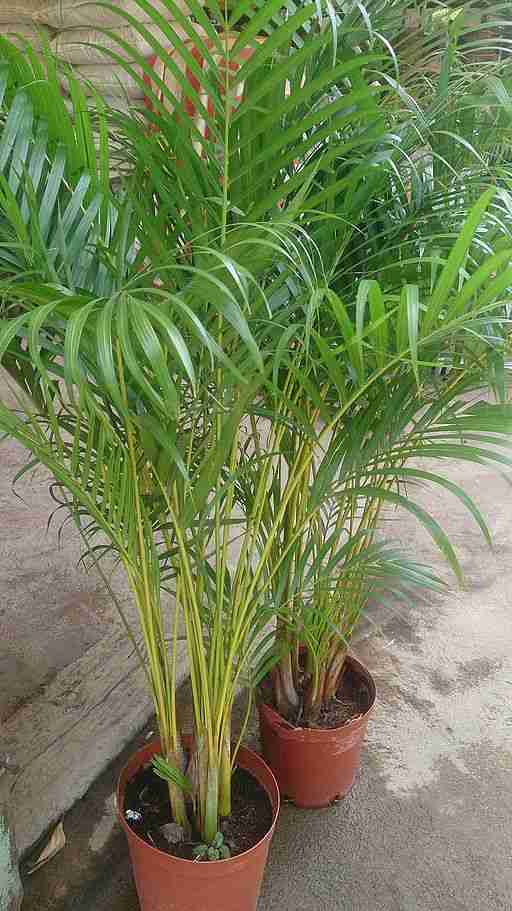
Our second palm on the listing is a svelte, upright, easy to look at, clumping palm.
Very pop due to its good looks and relatively depression maintenance. Another plant that is rubber for cats, these palms similar bright indirect lite, misting regularly and watering with soft rainwater once the top layer of their pot has dried out.
Go on away from radiators and stiff heat sources.
Light Weather condition: Brilliant indirect light.
Watering: Occasional misting, watering once the pinnacle layer of compost has stale out.
Prayer Plant (Maranta Leuconeura)
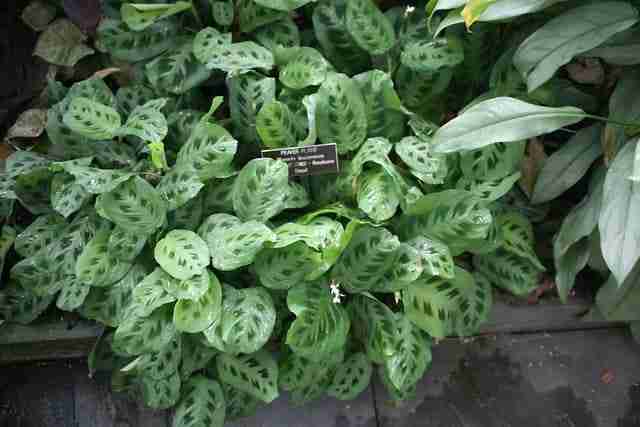
A Brazilian rainforest native, this establish derives its name from the weird spectacle of its motion every bit twenty-four hour period gives way to dark and vice versa.
The plant wilts and recovers with changes of calorie-free creating a praying flow. The interesting coloration on the leaves makes this plant a popular house plant – but they are not like shooting fish in a barrel to maintain.
They demand moist and highly humid weather to thrive and prefer vivid indirect light.
Lite Conditions: Vivid indirect light.
Watering: Keep moist, simply don't overwater or they succumb to root rot.
Swedish Ivy (Plectranthus Australis)

A popular house plant, Swedish ivy is prone and grows outwards as a mat or cascades from loftier spots.
Neither a true ivy nor Swedish, it is identifiable past its round, evergreen leaves that have a saw tooth border.
This plant is fast-growing and easy to care for. It is not addicted of overly bright areas and is often killed by overwatering.
Produces white flowers and sometimes creates an aroma when touched.
Low-cal Conditions : Shaded areas, out of direct brilliant light.
Watering: Avoid overwatering – underwatered plants can be revived but overwatered are goners. Let the soil dry out before watering.
Cast Fe Plant/ Bar Room Plant (Aspidistra Elatior)
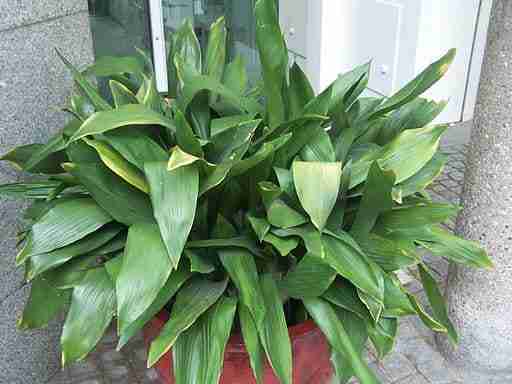
A native of Nihon and Taiwan, the cast iron found derives its name from the fact information technology tin can be neglected without suffering too much long-term impairment.
Broad, floppy leaves that shoot upwardly from the pot brand this evergreen a popular good looking plant. Able to withstand drought, pests, and poor light means even beginner gardeners find this plant easy to maintain and keep looking adept.
If you want the nearest affair to an indestructible house plant this is it.
Light Conditions: Avoid direct sunlight.
Watering: Water regularly in summertime, cutting down in wintertime.
African Violet (Saintpaulia)
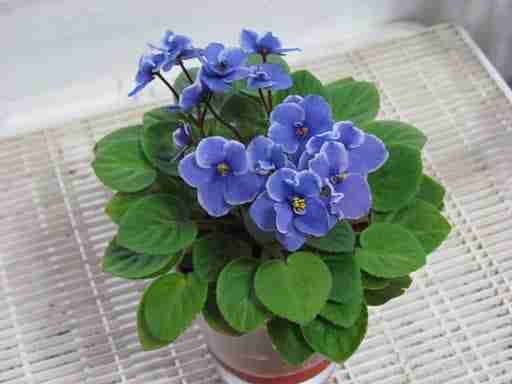
Need some true cat-safe flowers with color? The African violet is your blueberry.
Obviously, they come from Africa. Specifically Tanzania.
They come in a huge range of colors to satisfy any taste and are pretty easy to take care of.
They like a bright light to come into bloom but dislike direct sunlight that might scorch fragile leaves. They like room-temperature tap h2o in one case their compost dries out and regular fertilizing with plant feed.
Light Weather: Vivid indirect light
Watering: allow to dry out then h2o with tepid h2o, feed regularly.
Aluminum Plant/Watermelon Pilea (Pilea Cadierei)
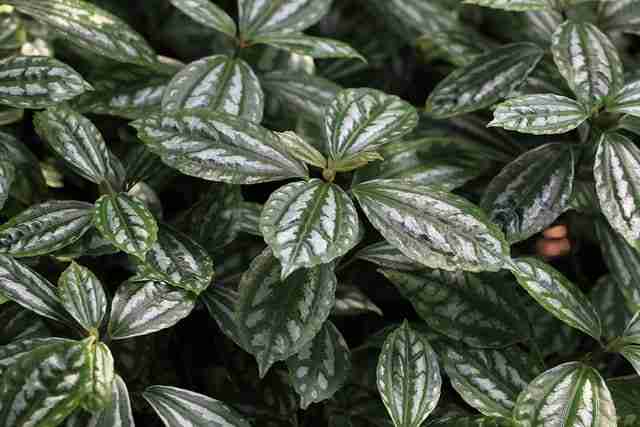
An evergreen perennial native to China and Vietnam that grows to 30 cm tall.
Perfectly prophylactic for cats and humans. Usually has a wide pointed oval variegated leafage with a shiny wax finish. Produces flowers merely they are not very impressive.
The main beauty of the plant is its large green and silvered leaves. Handles low light atmospheric condition well and needs to be kept moist.
Lite Conditions: Indirect calorie-free, shaded conditions
Watering: keep the compost moist just not waterlogged.
Friendship Plant (Pilea involucrata)
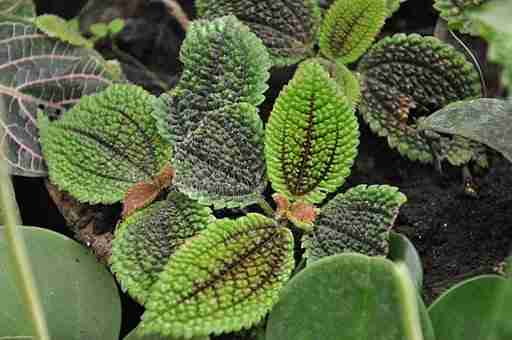
Native to Key and South America, this institute is renowned for its like shooting fish in a barrel maintenance and two-tone green fuzzy leaves.
Likes indirect low levels of light and occasionally flowers with a pretty little pink flower.
Chosen the friendship institute due to the ease with which cuttings can be grown at speed into plants that can be gifted. Grows to 6 to 12 inches tall.
Low-cal Atmospheric condition: Depression indirect light although needs some brilliant indirect calorie-free.
Watering: Continue soil moist in summer allow to dry out out slightly in winter. Provide some humidity if possible.
Lace Flower Vine (Alsobia dianthiflora)
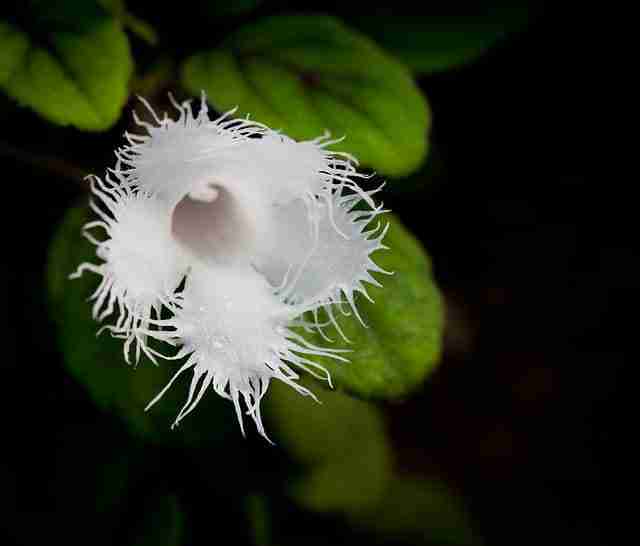
As the name suggests this is a trailing vine offering loads of green soft leaves and in spring a wonderful white blossom.
A very decorative flower that tin exist moved outdoors in the summer.
This is an easy-intendance houseplant that can take some neglect. Tin exist left to dry out between waterings.
Favors bright through to shaded light making it easy to grow in virtually indoor locations.
Light Conditions: Brilliant indirect to shaded light.
Watering: Can dry out out betwixt waterings without issue.
Lipstick Institute (Aeschynanthus Radicans)
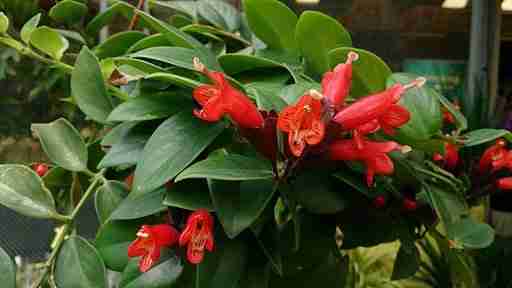
If y'all like flowers and the African violet doesn't do it for you so maybe the lipstick plant is a expert candidate.
Named after its red flowers that protrude out of darker reddish tubular sheaths this is a vine that volition bloom nigh continuously in the correct weather condition.
Provide the vine with brilliant indirect light and enough of water and you should get red flowers continuously. Avoid overwatering.
Light Weather: Brilliant indirect sunlight.
Watering: Weekly, avoid overwatering or standing in water.
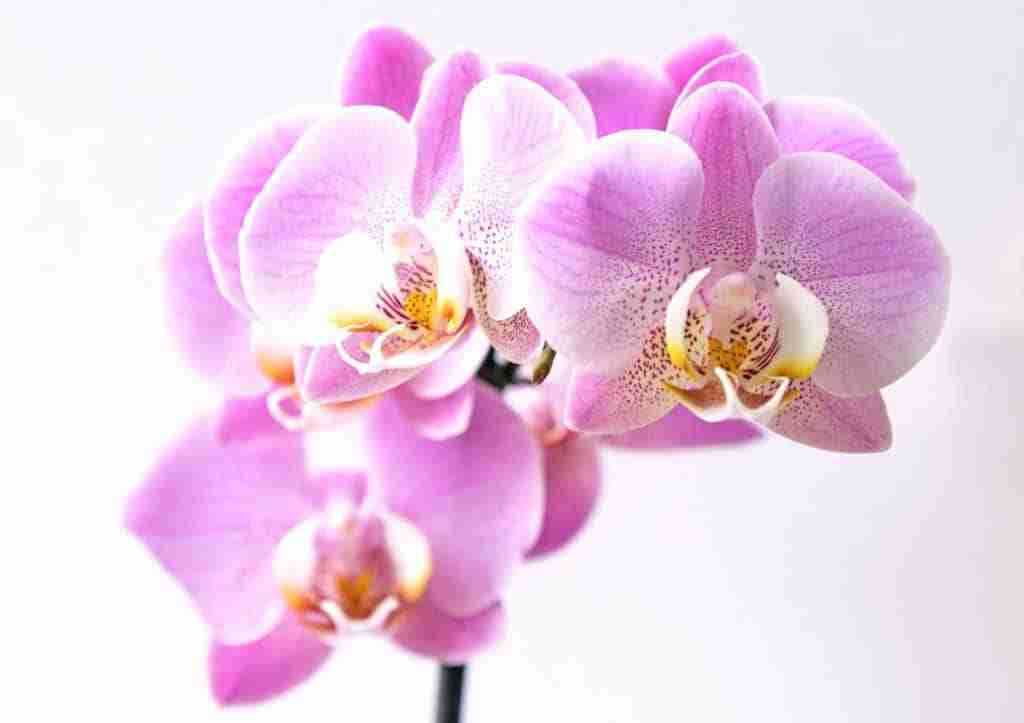
If you want a cat safe flower then the ubiquitous moth orchid is your kickoff port of call. These are probably the most popular flowering house plant available. Pop every bit they provide wonderful flowers in multiple different color options all year round.
Available from numerous outlets at incredibly affordable prices. These plants produce a wild corporeality of blooms for a prolonged period they go dormant.
To restart blooming y'all have to subject them to cooler nighttime temperatures for about a month and water via ice cube. The temperature variation draws them out of dormancy and off the blossom again!
Light Conditions: Moderately brilliant windowsill or indirect calorie-free.
Watering: Water every vii-10 days or when it dries out
Polka Dot Plant (Hypoestes Phyllostachya)
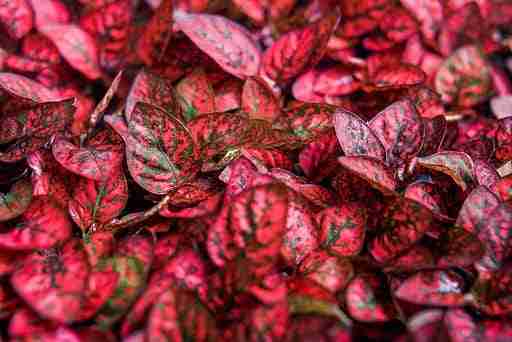
The polka dot plant is named due to the obvious pinkish spots on its wide green leaves.
Native to Madagascar, its spots and dots can vary in color from pink through to cherry-red, lavender, and white making these a highly decorative constitute.
Although they grow several feet tall in the wild potted versions are considerably smaller.
These plants like vivid indirect light, and moist soils and require feeding monthly. In lower calorie-free levels they will go hunting for light.
Light Conditions: Wide range from shaded through to vivid indirect calorie-free.
Watering: Should exist kept moist only non overwatered.
Christmas Cactus (Schlumbergera)
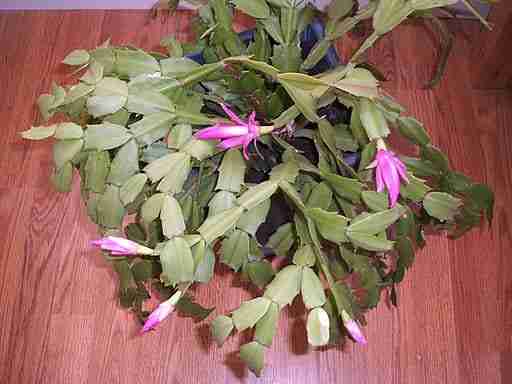
This cactus originates from southeastern Brazil.
Usually establish growing in humid environments on trees and rocks, they are notable for their flat cacti leaves and when flowering their ruby-red or white tubular flowers.
Like shooting fish in a barrel to manage and maintain, these cacti are a very popular house found. Nontoxic to cats, humans, and dogs you lot can safely grow them without fear of poisoning kitty!
Light Conditions: Vivid indirect low-cal.
Watering: Soak once the tiptop inch of compost goes dry, don't allow information technology to stand in water. Feed regularly.
Wax Plant (Hoya Carnosa)
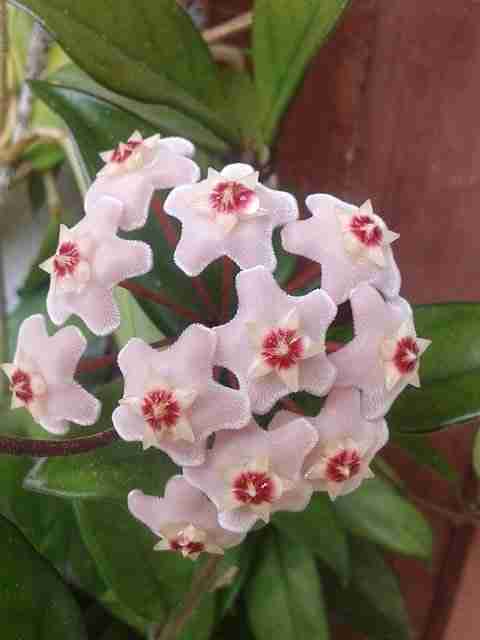
Originating from Asia and Australasia this climbing plant has waxy leaves giving ascent to its name the wax plant and produces scented flowers making it a very popular business firm found.
Nontoxic to cats this plant is relatively easy to treat as it likes northern facing windows where the low-cal is bright only indirect.
Go along moist during the summer months and the constitute should flourish and produce many scented flowers.
Light Weather: Bright indirect lite, Northern facing windows.
Watering: Go along moist during the growing flavour – avert overwatering.
Ponytail Palm (Beaucarnea)
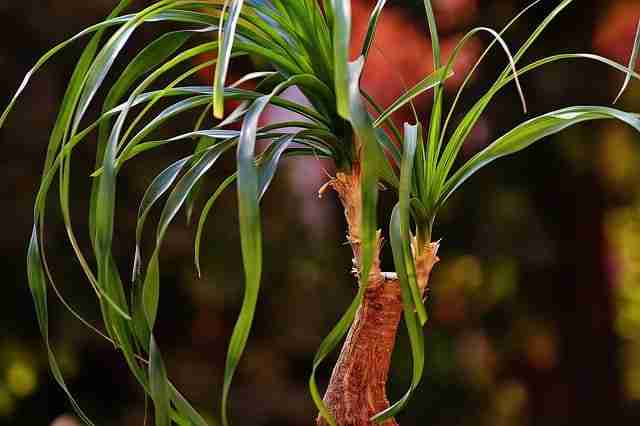
The pony tail palm is a very distinctive palm that has grown in popularity in contempo years thanks to its fantastic shape and brandish.
Originating from eastern United mexican states, in the wild, this plant can abound to thirty feet tall although indoors the best you tend to go is 4ft!
Although called a palm due to its long shooting fronds that resemble those of some palms, it is in fact a member of the delicious family.
This makes an easy to care for houseplant as it can accept periods of poor low light and tin can live in semi-dry weather so is platonic for a lot of areas of the home and lifestyles.
Light Conditions: Depression calorie-free with some bright spells preferred.
Watering: Loves dry conditions.
Basil (Ocimum Basilicum)
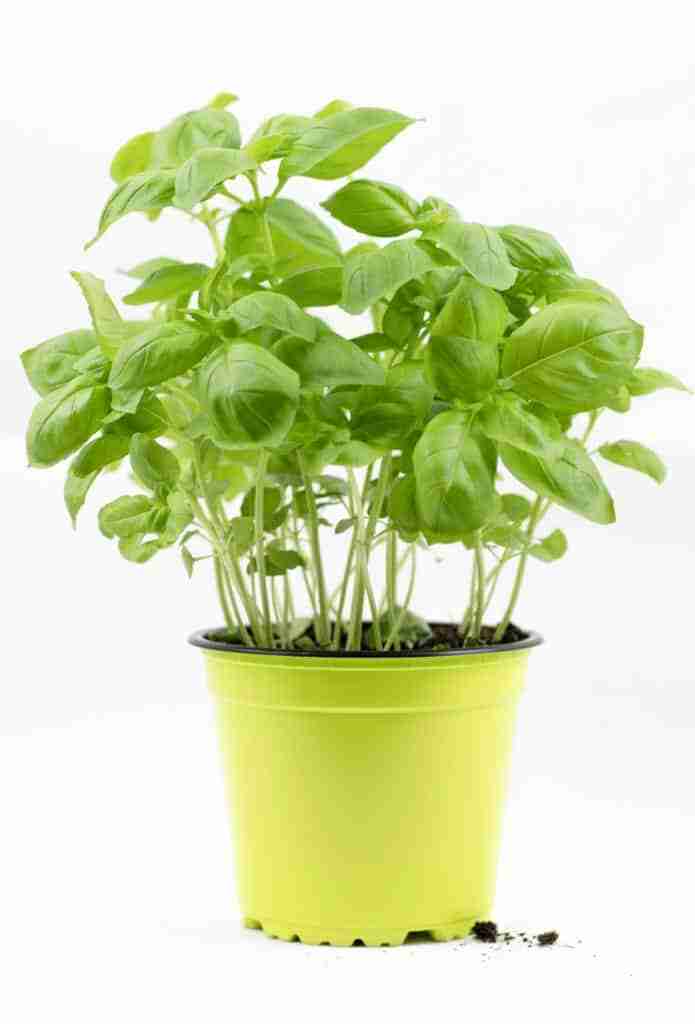
Basil is native to tropical regions from Central America to Asia.
At that place are several well-known variations: Sweet, Thai, and Lemon Basil. Each variation has a slightly different flavor. Well known for its uses in cooking, this herb doesn't flower but produces big leaves that have a subtle aniseed flavor when used in cooking.
Can be grown indoors or outdoors. Growing indoors is easy and requires proficient brilliant sunshine and moist well-tuckered soil. Tin cats eat basil? Yes, it is completely non-toxic to cats and humans…
Light Conditions: Bright direct light preferred.
Watering: Kept moist but well-drained.
Sage (Salvia Officinalis)
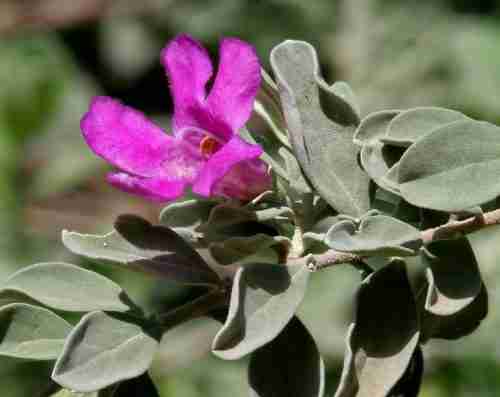
Common sage is widely used in cooking. Identifiable by its woody stems, greyish leaves, and blue to purple flowers, sage gives off a woody, pino-similar aroma and is used in numerous dishes as a flavoring from sausages through to being sprinkled on meaty dishes for added flavour.
Easy to grow indoors and outdoors this herb is a must in any cook's garden or kitchen. It tin be planted indirect light and needs well-drained soil merely is very hardy and easy to grow. Not-toxic to cats and humans and useful too…
Light Conditions: Bright direct sunshine where possible.
Watering: Water regularly, avoid overwatering – Sage is fairly drought resistant
Thyme (Thymus Vulgaris)
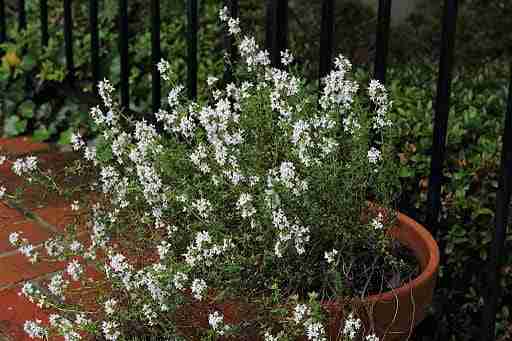
Another Mediterranean herb that can be grown indoors is popular with cooks! Is thyme condom for cats to swallow? Sure is!
Thyme is a low-lying shrub that loves sunny dry out conditions and flowers with pocket-size white or pink flowers from leap onwards.
This is overnice and easy to keep indoors due to its drought-loving nature and dear of sunlight – stick it on a bright windowsill and y'all are good to go.
Light Conditions: Bright direct sunlight.
Watering: Sparingly, do not leave in damp conditions.
Okay, so now you know what plants y'all can accept around your home with your cats. There are also some alternative true cat copse that your kitten will dearest – and that are less greenish only perfectly harmless – y'all can check them out on Feline Culture.
Got a problem with your cat attacking and chewing on your glorious house plants? Attempt a true cat repellant spray to proceed cats away from your plants!
Source: https://kittyinsight.com/house-plants-safe-cats/
Posted by: massingillglelavold.blogspot.com
0 Response to "How To Make Windows Cat Safe"
Post a Comment